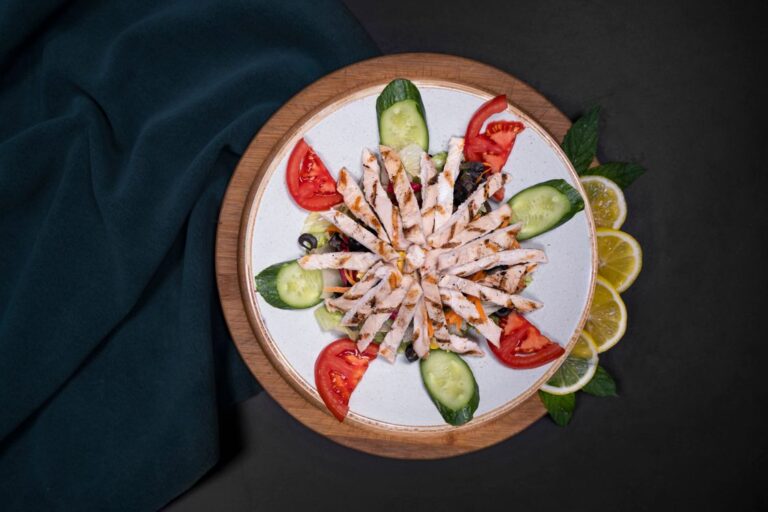
Protein. When I started working out, I thought that word meant exactly one thing: plain chicken breast. Every. Single. Day. I lasted about three weeks before I wanted to throw a chicken breast at the wall. Here’s what I wish someone had told me back then about high protein foods for beginners — getting enough protein is actually easy. And it doesn’t have to taste like cardboard. You just need options.
9 high protein foods for beginners (that aren’t boring)
Eggs. Start here. Cheap, easy, and each one has like 6 grams of protein. I eat three most mornings — scrambled, fried, boiled, whatever. That’s 18 grams before my day’s even started. Pro tip: hard-boil a bunch on Sunday. Grab-and-go snacks all week. I keep them in a bowl in the fridge and just… eat them. Sometimes with hot sauce. Don’t judge.
Greek yogurt. This stuff changed my snacking completely. One cup = 15 to 20 grams of protein. Regular yogurt? Like 5. It’s not even close. I do berries and honey on top and it basically tastes like dessert. One warning though — check the label. Some brands load it with so much sugar it might as well be ice cream. Looking at you, fruit-on-the-bottom.
Chicken breast, the classic. 31 grams of protein per 100 grams. Super lean. But real talk? Chicken thighs taste WAY better and they’re barely higher in fat. I cook thighs like four nights a week because I’d rather enjoy my dinner than suffer through dry breast meat. Compliance beats perfection. Every time.
Canned tuna and salmon. Pantry heroes. For those nights when cooking feels impossible — you know the ones — tuna + mayo + mustard + celery on toast. Five minutes. 25 grams of protein. Done.
Cottage cheese. I know. The TEXTURE. It weirded me out too, I’m not gonna lie. But a cup has 25 grams of protein, and here’s the trick — blend it with cocoa powder and it tastes like chocolate mousse. I’m serious. Try it before you knock it.
Lentils and chickpeas, for my plant-based people. Or anyone cutting back on meat. A cup of cooked lentils = 18 grams of protein plus a ton of fiber. I make red lentil dal every couple weeks. Costs basically nothing. Feeds me for days. My freezer is never without a container of it.
Tofu. Doesn’t get enough love. Half a block has around 20 grams of protein and it just absorbs whatever you cook it with. Press it, cube it, get it crispy in a hot pan with soy sauce. Total game changer. My meat-eating friends steal it off my plate, I’m not kidding.
Protein shakes. I was SO skeptical about these. Seemed like gym-bro nonsense. And yeah, real food is better. But a scoop of whey in milk after a workout is 30+ grams in 60 seconds flat. For busy beginners? That’s the difference between hitting your number and not. I keep a tub in my kitchen. Chocolate flavor. Tastes fine.
How much do you actually need, though? Rough guide: about 1.6 grams per kilo of bodyweight per day. So if you’re 70 kg, that’s around 110 grams. Spread it out — 25 to 35 grams per meal, plus a snack or two. You’ll hit it without even thinking about it.
My big mistake early on? Trying to be perfect about all of this. Tracking every gram, stressing about it. Exhausting. Now I just keep a few of these staples around and protein takes care of itself. Way more sustainable.
Protein on a budget (my grocery bill disagrees with fancy health food)
Real talk: protein gets expensive fast if you let it. Those little single-serve Greek yogurts? Highway robbery. Pre-marinated chicken breasts? You’re paying someone else to sprinkle salt on them.
Here’s what I actually buy when money’s tight. Eggs, obviously — still the cheapest protein on the planet. Dried lentils instead of canned; one bag costs next to nothing and makes something like ten meals. Chicken thighs in the big family pack, not the sad little two-pack. Frozen fish fillets — same protein as fresh, half the price, and they don’t go weird in your fridge if you forget about them for two days. Ask me how I know.
And store-brand Greek yogurt. Same 15 to 20 grams per cup as the fancy stuff. I did a side-by-side taste test once because I’m that person. Couldn’t tell the difference with berries on top.
One thing though — peanut butter. Everyone calls it a protein food. Two tablespoons gives you 8 grams of protein and 200 calories. The math just isn’t great. I still eat it, because it’s delicious, but I don’t count it as a protein source. It’s a treat that happens to have some protein. There’s a difference.
The part nobody tells you: it’s about per-meal, not per-day
Here’s something that took me way too long to figure out. Your body doesn’t really do “banking” protein. You can’t eat a mountain of it at dinner and call it a day. It works better spread out — roughly 25 to 35 grams per meal, three or four times a day.
Breakfast is where most people blow it. Toast and coffee? Maybe 6 grams. Then you’re playing catch-up all day and wondering why you’re starving at 9 PM. I flipped my breakfast to three eggs or a big bowl of Greek yogurt, and my evening snacking just… dropped off. I wasn’t even trying. My body just stopped asking for food at night because it had actually been fed in the morning.
Quick visual if you hate counting: a palm-sized piece of meat or fish, or a fist-sized scoop of lentils or beans, per meal. That’s roughly 25 to 30 grams. Do that three times a day plus one protein snack — yogurt, boiled eggs, a shake — and you’re past 100 grams without a spreadsheet.
[…] actually deliver — eggs, chicken, Greek yogurt, lentils, fish. I put together a full breakdown in this high-protein foods guide if you want the practical […]