Summer 2021. I’m lying on my living room floor at 11pm doing crunches. Two hundred of them. Every night. For a month straight.
My logic was airtight: belly fat lives on my stomach, crunches work my stomach, therefore crunches destroy belly fat.
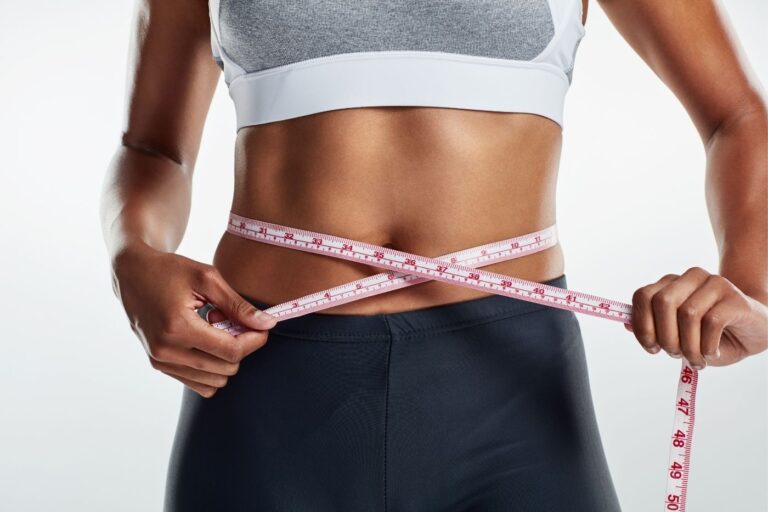
A month later I measured my waist. Same number. Down to the centimeter. Core endurance of a gymnast, exact same belly.
That was the month I learned the most important thing about belly fat: you cannot pick where fat comes off your body. No exercise, tea, wrap, or cream changes that. Your body decides the order, and it does not take requests.
So if spot reduction is a myth, what actually works? Years of trial and error taught me the honest version. No miracle promises. Just what holds up.
The Myth That Won’t Die: Spot Reduction
The idea sounds so reasonable. Work the muscle under the fat, burn the fat above it. Thighs? Leg lifts. Belly? Crunches. Arms? A million tricep kickbacks.
It doesn’t work. People doing tons of ab exercises don’t lose more belly fat than people who don’t. Fat comes off based on your overall body fat, and genetics decide which areas shrink first and last. For most men, the belly is last. For most women, it’s usually hips and thighs that hold out longest. Unfair? Completely.
Crunches aren’t useless — they build the muscle underneath. But a strong core under a layer of fat still looks like a layer of fat. I know because I lived it.
Why Belly Fat Feels Extra Stubborn
Two quick things worth knowing, because they explain a lot of frustration.
First, two kinds of belly fat. The pinchable stuff under your skin is subcutaneous — cosmetic, mostly harmless. The deeper stuff around your organs is visceral, and that’s the one doctors worry about. You can’t tell them apart in the mirror. The slightly good news: visceral fat responds well to the same boring basics — moving more, eating a bit less, sleeping enough.
Second, stress and sleep genuinely matter here. Poor sleep messes with hunger hormones — you feel hungrier and crave worse food. Chronic stress keeps cortisol elevated, and cortisol is associated with fat storage around the midsection. The all-nighter-and-energy-drink lifestyle has a cost, and your waistline keeps the receipt.
Quick note before we go further: I’m not a doctor or a dietitian. This is what worked for me and what’s well-supported. If you have a health condition, talk to an actual professional, not a blog.
What Actually Works
1. Eat a little less than you burn. That’s the whole game.
I hate how simple this sounds, because simple gets mistaken for easy. It’s not easy. But it’s the mechanism. Fat loss — belly included — happens when your body needs more energy than you’re giving it, so it pulls from storage.
You don’t need a named diet. You don’t need to cut out an entire food group. You need a modest, sustainable calorie deficit — roughly what you eat now, minus a few hundred calories a day. Smaller portions. Fewer liquid calories. Less mindless snacking.
The aggressive approach — crash dieting, “lose 10kg in 3 weeks” — backfires almost every time. You lose muscle along with fat, your energy tanks, and the rebound is brutal. Slow and boring wins. It just doesn’t sell programs.
2. Protein. More than you think.
When I finally started tracking, I was eating maybe 60-70 grams of protein a day. For someone trying to lose fat while keeping muscle, that was nowhere near enough.
Protein does two useful things during fat loss: it keeps you fuller (which makes the deficit survivable), and it protects your muscle. Losing muscle is the thing nobody warns you about — it’s why crash dieters end up “skinny fat.”
Aim for roughly 0.7 to 1 gram per pound of bodyweight. I’m around 175 pounds, so I target 130-160g a day. That sounded impossible until I learned which foods actually deliver — eggs, chicken, Greek yogurt, lentils, fish. I put together a full breakdown in this high-protein foods guide if you want the practical list.
3. Lift weights. Yes, even for belly fat.
This one surprised me. Cardio feels like the “fat loss” exercise — you’re sweating, breathing hard, the treadmill says you burned 400 calories. Lifting feels… slower.
But strength training is arguably the better fat-loss tool. Muscle is metabolically active tissue — the more you keep (or build), the more energy your body uses around the clock. And in a calorie deficit, lifting tells your body “keep the muscle, burn the fat instead.”
You don’t need a gym. I started with dumbbells in my bedroom. Bodyweight works too. The full beginner setup is in my strength training starter guide and there’s a no-equipment home routine if you want zero excuses.
Three sessions a week. Enough to matter.
4. Walk. Seriously, just walk.
The most underrated fat-loss tool in existence, and it’s free. I started walking 30-45 minutes most days — not power walking, just a regular walk, often after dinner. More on why walking works for weight loss here.
It burns calories without making you ravenous the way hard cardio can. It doesn’t beat up your joints. You can do it every single day without needing recovery. And the consistency compounds — a daily walk you actually do beats a brutal workout you skip.
5. Fix your sleep.
This was my missing piece for a long time. I was doing everything “right” — training, eating decently — while sleeping five and a half hours a night. Progress was weirdly slow. Then I fixed my sleep and things just… started moving.
Short sleep increases ghrelin (the “I’m hungry” hormone) and decreases leptin (the “I’m full” hormone). So you’re fighting your own chemistry all day. Seven to nine hours. It’s the highest-leverage free thing on this list. My evening routine guide covers what helped me wind down — nothing fancy.
6. Go easy on the alcohol.
Nobody wants to hear this one. Alcohol is calorie-dense (7 calories per gram, almost as much as fat), has zero nutritional value, wrecks sleep quality, and destroys food judgment. How many “disciplined” weeks have died on a Friday night? Mine did, regularly.
I’m not saying never drink. I’m saying be honest about what it’s costing. Cutting back for a couple of months makes a bigger difference than most people expect.
What’s a Waste of Money
Let’s clear the shelf of junk, because the belly-fat industry is enormous and almost entirely nonsense.
Waist trainers and sweat belts. They squeeze water out temporarily and do nothing to fat. The “results” photos are dehydration and posture. A friend of mine wore one religiously for a month. The only thing that shrank was his bank balance.
Detox teas and fat-burning drinks. Your liver detoxes you for free. The teas are laxatives with marketing. “Fat burner” pills are mostly caffeine with a price tag — and some contain stuff you really don’t want in your body.
Ab gadgets. The vibrating belt, the rolling wheel thing from the infomercial, the “5-minute abs” device. They work your abs the same way crunches do — which, as established, does not remove belly fat.
Anything promising fast, specific results. “Lose belly fat in 7 days.” “Drop 2 inches in 2 weeks.” Your body doesn’t work on marketing timelines. Anyone selling speed is selling something else.
The pattern: if it sounds easier than eating a bit less and moving more, it’s probably not real.
How Long Does This Actually Take?
Honest answer: longer than you want, faster than you fear.
A sustainable rate is roughly 0.5-1% of bodyweight per week — for most people somewhere around half a kilo to a kilo weekly. It won’t all come from the belly, and it won’t be linear. Some weeks nothing happens. Then two kilos vanish. Bodies are weird.
Visible belly changes typically take 8-12 weeks of consistency. Not 8-12 days. I know that’s not what anyone wants to hear, but I’d rather tell you the truth than sell you week three of a program that was never going to work.
The people who succeed aren’t the ones with the perfect plan. They’re the ones who pick a reasonable plan and don’t quit in week four. Consistency is the whole skill — everything else is details.
The Bottom Line
You can’t crunch your way to a flat stomach. Nobody can. Belly fat comes off the same way all fat comes off: a modest calorie deficit, enough protein, some strength training, daily walking, decent sleep, and patience.
It’s not exciting. It doesn’t fit in an Instagram ad. But it’s the only thing that has ever worked. The sooner you stop looking for the shortcut, the sooner the real progress starts.
Start this week. Walk daily, lift three times, eat a little less, sleep a little more. Check back in two months. I think you’ll be surprised.