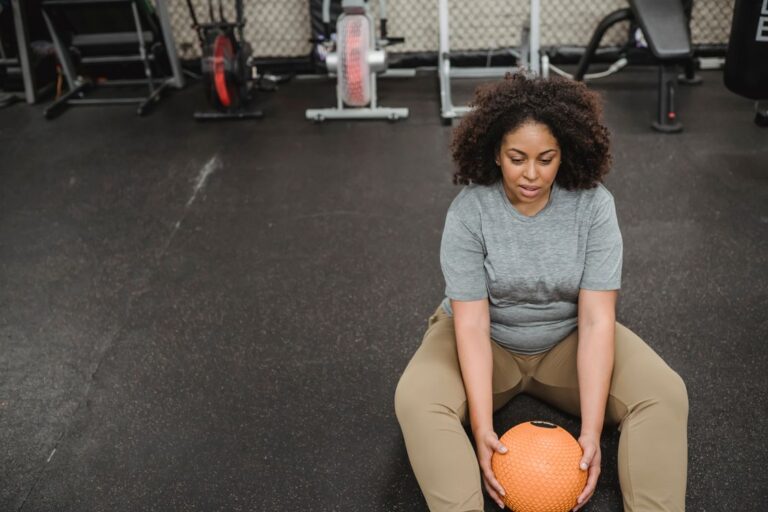
I used to treat rest days like a guilty pleasure. Training six days a week, seventh day spent anxiously Googling “is one rest day enough” while eating cereal straight from the box. The fitness internet didn’t help — half of it screaming “no days off” and the other half prescribing full deload weeks like we’re all powerlifters peaking for nationals.
Here’s what actually happens when you rest, and why the lifters who grow the most are usually the ones resting the hardest.
Your muscles are built between workouts, not during them
This is the single most misunderstood sentence in fitness. Lifting doesn’t build muscle. Lifting damages muscle — tiny tears in the fibers, depleted fuel stores, a nervous system that’s been redlining. The building happens in the 24 to 72 hours after, while you sleep, eat, and do absolutely nothing impressive.
Skip the rest and you interrupt the construction crew mid-job. Train chest again 24 hours later and you’re tearing down scaffolding that wasn’t finished. Do this for weeks and you don’t plateau — you go backwards. Strength drops, joints ache, sleep gets weird, motivation evaporates. That’s not a motivation problem. That’s your body filing a formal complaint.
How many rest days (the honest answer)
For most people lifting 3 to 5 days a week: 2 to 3 full rest days. Not “active recovery” days where you do a light 5K. Actual rest. Walk the dog. Stretch on the floor while watching something. Live your life.
Beginners sometimes need more, not less — your work capacity is lower, so the same workout costs you more recovery. Advanced lifters can handle more volume, but even they schedule deloads. Nobody out-trains recovery forever. The pros you admire aren’t skipping rest; they’re just better at programming it.
What to do on a rest day (it’s not nothing)
Rest doesn’t mean coma. Light movement speeds recovery — blood flow clears waste products, gentle stretching keeps joints happy. A 20-minute walk. Some mobility work. That’s plenty.
What to avoid: turning rest day into “light workout day” that mysteriously becomes 45 minutes of circuits. If you’re breathing hard, it’s not rest. The test is simple — you should finish feeling better than you started, not tired.
Sleep is the actual steroid
If rest days are the construction crew, sleep is when they work the night shift. Growth hormone pulses highest during deep sleep. Protein synthesis ramps up. Your nervous system finally stands down.
Seven to nine hours. Non-negotiable if you’re serious about progress. And it’s the first thing lifters sacrifice — late training sessions, pre-workout at 7pm, scrolling until 1am, then wondering why the weights feel heavier every week. Fix your sleep before you buy another supplement. It’s free and it outperforms all of them.
Food on rest days (don’t do anything weird)
Some people slash calories on rest days. Don’t. Your body is doing its most important building work on these days — starving the crew is insane.
Eat normally. Maybe slightly less if you’re cutting, but keep protein high — your muscles are literally assembling themselves out of it right now. The guys who eat 800 calories on rest days “to stay lean” are the same guys wondering why they never grow. The building needs bricks.
The deload week (your secret weapon)
Every 6 to 10 weeks, take a lighter week. Half the volume, same movements, easy weights. It feels wrong the first time — like you’re being lazy. You’re not. You’re letting months of accumulated fatigue drain out.
I skipped deloads for my first two years and collected every overuse injury in the catalog. Started taking them and my progress graph went from staircase-with-plateaus to a steady climb. The week feels easy. The month after feels incredible.
Signs you need more rest (not more work)
Persistent soreness that doesn’t fade in 72 hours. Weights feeling heavier for no reason. Dreading workouts you used to enjoy. Getting sick more often. Sleep getting worse despite being exhausted. Irritability — snapping at people over nothing.
Two or more of these? You’re not undertrained. You’re under-recovered. Take three full days off. Not “active.” Off. Then come back and watch what happens — most people PR within two weeks. The rest was the missing program all along.
The bottom line
Training is the question. Rest is the answer. You don’t get stronger from lifting weights — you get stronger from recovering from lifting weights, which is a completely different sentence that most people never really hear.
So take the rest day. Take it without guilt, without the anxious Googling, without the compensation cardio. Your muscles are writing the progress cheques you’ve been writing. Let them cash.