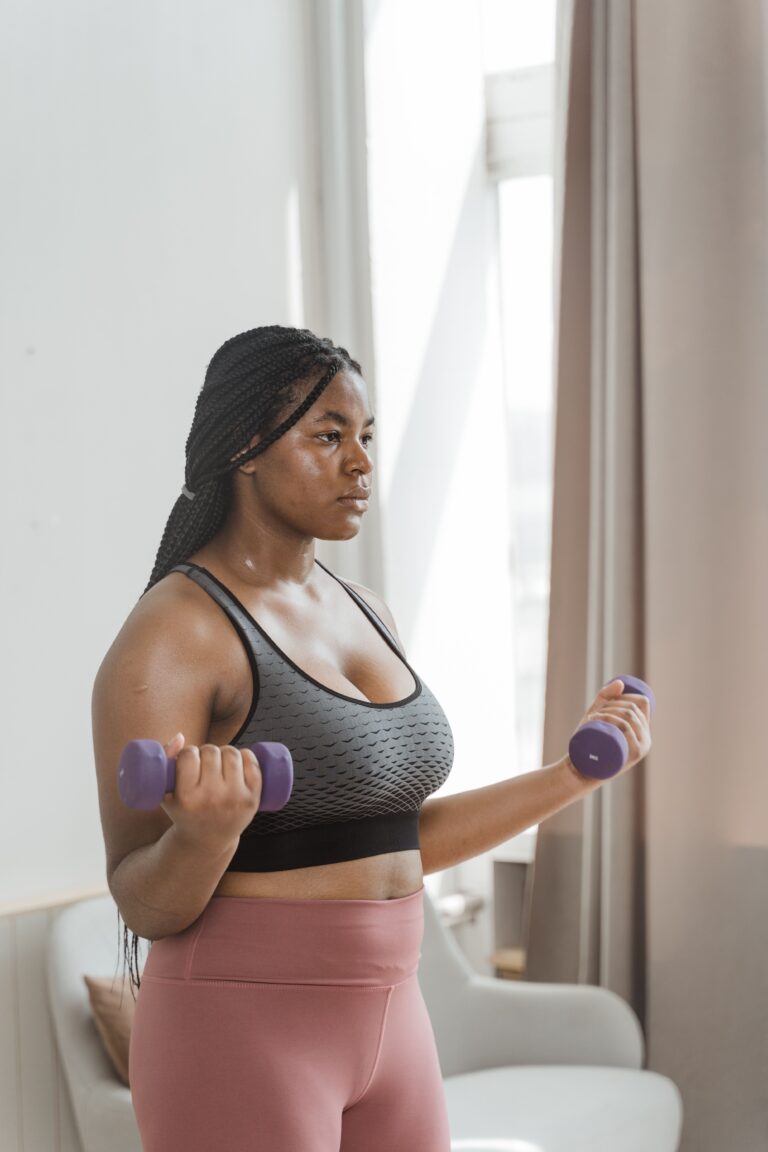
I’ve trained in both worlds, and I mean properly — two years of a noisy commercial gym at 6am, then a full year of working out in a corner of my living room when life got busy and money got tight. People ask me which one is better all the time, and honestly, the answer nobody wants to hear is: it depends on you. Not on the equipment. Not on the science. On you — your schedule, your budget, your personality, and how honest you are with yourself about what you’ll actually stick to.
Still, this isn’t a fence-sitting article. By the end of it, you’ll know exactly which one fits your life. Let’s get into it.
Let’s talk money first, because it matters
Gym memberships are sneaky expensive. The advert says £25 a month, but then there’s the joining fee, the annual “maintenance” fee nobody warned you about, and the petrol or bus fare to get there. In the US you’re looking at $30–60 a month for a decent commercial gym, more like $100+ if you want the fancy ones with the eucalyptus towels. Over a year, that’s easily £400–700 or $500–1,000+ walking out of your pocket.
A home setup looks expensive up front and cheap forever. A pair of adjustable dumbbells, a pull-up bar that fits your doorframe, and a foldable bench will run you maybe £200–300 total. After that? Nothing. No monthly drain. I bought my adjustable dumbbells three years ago and the cost-per-workout is now basically zero.
But — and this is important — cheap equipment you don’t use is the most expensive option of all. I know people with £500 of kit gathering dust in a spare room and a gym membership they never froze. The cheapest workout is the one that happens. Keep that sentence in your head; we’re coming back to it.
The results question: can you actually build muscle at home?
Yes. This is not a debate any more. Progressive overload — gradually making your muscles do more work over time — is what builds muscle, and you can do that with dumbbells, resistance bands, and your own bodyweight. Squats, lunges, push-ups (weighted with a backpack if you’re feeling creative), rows with a sturdy table or bands, overhead press with dumbbells. I’ve seen people transform their physiques with almost nothing.
Where the gym pulls ahead is legs and heavy pulling movements. Here’s the honest truth: at some point, your legs outgrow home equipment. You can only do so many goblet squats with a 25kg dumbbell before your quads are laughing at you. A gym has leg presses, hack squats, and barbells you can load to 150kg. It also has cable machines and rows that let you hit your back from angles that are genuinely hard to replicate at home.
So the real answer: for general fitness, looking athletic, and building a solid upper body — home is completely fine. If your goal is seriously big legs or powerlifting numbers, you’ll eventually want a gym. Most beginners don’t need to worry about this for at least a year, though. Your first year of gains will come from consistency and eating enough, not from a leg press machine.
Convenience: the silent killer of fitness plans
This is where I get passionate, because I’ve lived both sides.
My home workouts happened because the barrier was zero. No commute, no packing a bag, no “I’ll go after work” that turns into never. On days I had 30 minutes between meetings, I’d just start. My living-room year was actually my most consistent year of training ever — four or five sessions a week, almost without fail.
The gym, on the other hand, costs you time you don’t see on the price tag. Fifteen minutes there, fifteen back, waiting for the squat rack during peak hours… my “one hour workout” was secretly a two-hour commitment. That’s fine if you enjoy the ritual. It’s a disaster if your schedule is already packed.
But here’s the flip side that nobody talks about: the gym got me to train harder. At home, nobody sees you quit a set early. At the gym, something about being around other people working hard made my lazy sets disappear. I’d push for two more reps because the bloke next to me was grinding through his. Environment shapes effort — that’s just human psychology.
Distractions: home’s biggest enemy
My living room had a sofa. And a fridge. And a TV remote sitting right there. The first month of home training, I’d finish a set and “just check one message,” then wake up from a 20-minute scroll. Sound familiar?
You have to build a system at home. I trained in the same corner, same time, phone on aeroplane mode across the room. Once it became a ritual, the distractions faded. But be honest with yourself: if you’re the person who can’t resist the sofa, a gym membership is basically paying for someone else to remove your distractions. That’s not weakness — that’s knowing yourself, and it’s worth money.
Gyms have their own distractions, to be fair. Peak-hour crowds, the chatty regular who corners you between sets, waiting for equipment. But on balance, the gym is a place whose entire purpose is training. Your house has other jobs.
What you actually need at home (less than you think)
Forget the Instagram home gyms with £5,000 of kit. Here’s the realistic starter list that covers 90% of what a beginner-to-intermediate lifter needs:
- Adjustable dumbbells (the single best home investment, full stop)
- A pull-up bar for the doorframe
- Resistance bands for warm-ups and adding variety
- A sturdy flat bench if you have the space (optional but lovely for pressing)
- A mat, because your knees will thank you
That’s it. Skip the fancy all-in-one machines and the ab rollers you’ll use twice. Start minimal, and only buy more when your training genuinely outgrows what you have.
One thing people underestimate: space. You need roughly the area of a yoga mat plus arm’s length in every direction. If your flat is genuinely tiny, bodyweight training and bands still work brilliantly — look at gymnasts. They don’t have home gyms; they have floors.
Who should pick which?
After years of bouncing between both, here’s my honest breakdown:
Pick the gym if: you want to lift genuinely heavy, especially legs; you get motivated by being around other people; your home is chaotic or tiny; you need the structure of “going somewhere” to take training seriously; or you play sports where you need specific equipment.
Pick home if: your schedule is unpredictable; the commute would kill your consistency; money is tight; you’re a bit self-conscious and want to learn the basics in private (totally valid — I started at home for exactly this reason); or you simply train better alone.
Pick both if you can: a cheap gym membership for two heavy leg days a week plus home workouts for everything else. This hybrid is, in my opinion, the actual best answer for most people, and it’s what I do now.
The beginner question
Beginners ask me this one constantly: “I’m just starting — where should I go?” My answer: start wherever you’ll actually show up three times a week for the next two months. Your first months are about building the habit, learning basic movements, and not getting injured. A gym’s machines can be friendlier for learning (they guide the movement path), but a few dumbbells and some YouTube form tutorials will get you there too.
One honest warning about gyms for total beginners: the intimidation is real, and I won’t pretend it isn’t. Everyone says “nobody’s watching you,” and mostly that’s true — but knowing that doesn’t always make the first week comfortable. If that’s you, starting at home for a month or two until you know the movements is a completely legitimate strategy. Confidence is part of fitness too.
My verdict (and the question that actually matters)
If you forced me to pick one for most people, I’d say this: home workouts win on consistency, gyms win on ceiling. Most people fail from lack of consistency, not from lack of equipment — so home has the edge for the average busy person. But the gym has a higher ceiling for strength, especially legs, and a better environment for pushing yourself.
But forget my verdict. Here’s the only question that matters, and I want you to answer it honestly:
Which one will you still be doing in six months?
Not which one looks better on paper. Not which one your mate swears by. Which one fits your actual life — your commute, your kids, your budget, your personality? That’s the right answer, and it’s the only one that counts. The best training programme in the world is useless if you don’t do it, and the simplest dumbbell routine done three times a week for a year will beat the perfect gym split you quit in February.
Start somewhere this week. You can always change your mind later — I did, twice, and both times it was the right call.