Nobody told me the embarrassing truth when I started lifting: muscles aren’t built in the gym. The gym is just where you file the request. The actual construction happens in the other 23 hours — and snacks are where I was quietly blowing it for two straight years.
Three decent meals a day, protein at each one, training hard. And between meals? Crisps from the office vending machine. Biscuits someone’s mum sent to the break room. A banana, if I was feeling virtuous, which nutritionally is basically candy that grew on a tree. I was leaving 40-odd grams of protein on the table every single day and wondering why my bench hadn’t moved since March. Fixed the snacking — same training, I swear — and my lifts started climbing within a month. A month! Two years of stalling, fixed by yogurt. I still think about this when I can’t sleep.
Do the damn math
Muscle runs on protein, and the research consensus for people trying to grow is roughly 1.6 to 2.2 grams per kilo of bodyweight per day. Take a 75 kg lifter: that’s 120 to 165 grams daily. Now try cramming 150 grams into three meals. That’s 50 grams a meal, every meal, no misses, no “I just had toast because I was late.” Doable. Unforgiving. One skipped lunch and the whole day collapses.
Snacks split the job into pieces a normal human can handle. Two snacks at 20 to 25 grams of protein each, and suddenly the target runs itself. There’s also solid evidence that spreading protein across three to five servings beats cramming it into two heroic meals — your body can only direct so much toward muscle-building at once, and the overflow just becomes very expensive energy. Science’s way of saying: stop eating like a python, start eating like a person.
Target for a muscle snack: 15 to 30 grams of protein, actual food, something you won’t hate by Thursday.
Dairy: boring, cheap, unbeatable (I fought this for a year)
I resisted dairy snacks for an embarrassingly long time because cottage cheese looks like something you’d find behind a radiator. Then I actually read the numbers and felt like an idiot.
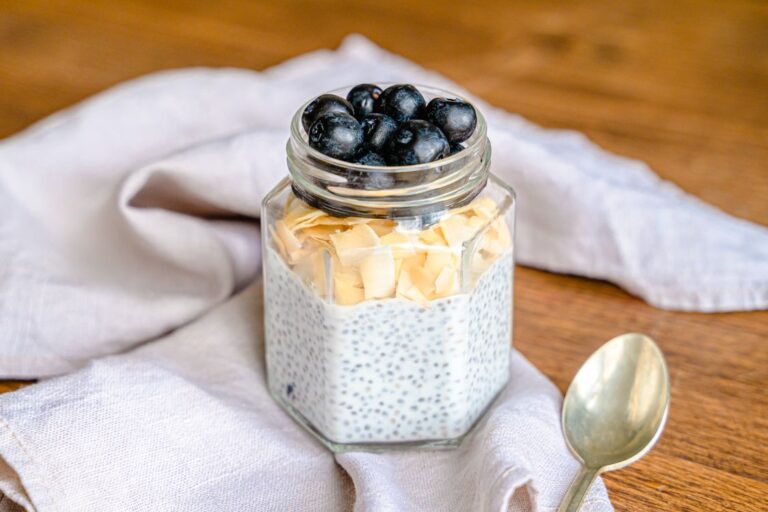
Greek yogurt is the headliner and it’s not close. Two hundred grams of the plain stuff — Fage, Chobani, whatever’s on sale, I buy whatever 1kg tub is cheapest — packs 18 to 20 grams of protein. Honey and berries on top and it tastes like dessert that lifts. One trap: the flavoured versions. Some of those little pots hide 20 grams of sugar, which turns your muscle snack into a candy bar with good PR and a fitness influencer on the label. Read the back, not the front. Always the back.
Cottage cheese is the weird-looking overachiever. A 200-gram tub: 22 to 24 grams of protein, mostly casein, which digests slowly — drip-feeding your muscles amino acids for hours. This is why ancient bodybuilders ate it before bed, and ancient bodybuilders were right about more than people admit. Pineapple on top, or on toast with cracked pepper and a drizzle of olive oil. It looks like a science experiment. It works brilliantly. Get over the texture; your biceps don’t care about aesthetics.
And plain milk, the thing everyone forgot: 500 ml is 16 to 17 grams of protein plus calcium and carbs that help recovery. Chocolate milk has genuine research behind it as a recovery drink — actual studies, not just school-canteen nostalgia. Just don’t drink it by the litre unless you want the sugar bill too.
The egg-and-tin economy
Three boiled eggs: about 18 grams of protein, near-zero effort. Here’s my actual system — Sunday night, pot of water, nine eggs, 8 minutes once boiling, ice bath, into the fridge. Grab-and-go all week. Salt and smoked paprika and they’re genuinely good, not sad-desk-lunch good, actually good. Cost per snack? Pennies. Pennies!
Tinned tuna is the budget champion of the entire protein world. One small tin: 25 grams of protein, often under a dollar. On crackers, in a wrap, or straight from the tin standing in your kitchen like a raccoon — no judgment, we’ve all been there. Sardines bring omega-3s to the party. Yes, the mercury thing with tuna is real; no, it’s not a reason to panic. A few tins a week, rotate in sardines and salmon, done. The people most worried about tuna mercury are usually drinking three diet sodas a day, but that’s a different article.
Deli turkey or chicken: 100 grams gets you around 20 grams of protein. Roll slices around cheese sticks or cucumber spears and you look like someone with their life together. Just avoid the ones with an ingredient list longer than this paragraph, and go easy if your blood pressure already side-eyes salt.
Plants can play too (a short section, because the list is short)
“Plant-based muscle snack” sounds like a contradiction until you meet edamame. A cup of the shelled stuff: about 17 grams of protein. Frozen bag, microwave three minutes, salt. That’s the whole recipe. I keep a bag in the freezer at all times now.
Roasted chickpeas or lentils land around 10 to 15 grams a serving plus a pile of fibre. Drain a can of chickpeas, olive oil, salt, smoked paprika, 200°C for 25 minutes, and try — try — not to eat the entire tray standing at the oven. You won’t succeed. Nobody does.
Peanut butter gets an honest mention with a warning label: two tablespoons is about 8 grams of protein and 200 calories. Fantastic if you’re a hard gainer trying to grow. Dangerous if you snack mindlessly, because a “tablespoon” scooped straight from the jar is a lie we all tell ourselves — that’s two tablespoons, minimum, and you know it. Measure it or don’t count it.
Quick science footnote: most plant proteins run low on one or two essential amino acids. Mixing sources across the day — beans plus grains, that kind of thing — covers it completely. And no, you don’t need to combine them in the same meal; that rule got relaxed years ago, so stop stressing about your rice meeting your beans at the same table.
Powder is fine. Bars are a casino.
Protein powder is not cheating. It’s just food with the inconvenience removed. One scoop of whey — I use Optimum Nutrition Gold Standard because it’s everywhere and it mixes — in water or milk: 20 to 25 grams of protein in 30 seconds. Keep a shaker in your desk drawer and the “I had nothing to eat” excuse dies on the spot. It’s the highest-protein-per-second snack in existence.
Protein bars, though. Protein bars are a minefield wearing nice packaging. Some are legitimately good — 20 grams of protein, sane sugar, ingredients you can pronounce. Many are candy bars in gym clothes: 25 grams of sugar, 10 grams of protein, and a wrapper screaming FITNESS WORDS at you. My rule, stolen from a powerlifter friend: protein should be at least double the sugar, or it goes back on the shelf. Read the label, not the front. The front is advertising. The back is the truth. (Barebells and Quest generally pass this test, for what it’s worth. Most “protein cookies” absolutely do not.)
Stop buying this crap
Not a ban list — an opportunity-cost list. Every snack slot you fill with beige crunch is 20 grams of protein you didn’t get. The worst offenders in lifter-land:
- “Protein” cookies and brownies: 8 grams of protein, 30 grams of sugar. That’s not a protein snack, that’s a brownie that lies.
- Café smoothies and flavoured yogurts: some of those innocent-looking cups hide 40+ grams of sugar. You could’ve had actual dessert for that.
- Anything where you squint at the label and can’t figure out where the protein even comes from. If the protein source is a mystery, it’s not a protein snack.
And look — 80/20. If four out of five snacks hit the target, the fifth can be whatever keeps you human. This is a years-long project, not a 30-day challenge with a countdown timer. The people who last are the people who aren’t miserable.
A day that actually hits 150 grams (steal this)
For a ~75 kg lifter, with snacks doing real work instead of decorative work:
Breakfast: 3 eggs + oats made with milk — about 30g. Mid-morning: Greek yogurt with berries — about 20g. Lunch: chicken breast, rice, vegetables — about 40g. Pre-workout: banana + whey shake — about 25g. Dinner: beef or lentil curry with rice — about 35g.
Total: roughly 150g. Not one heroic meal in sight. Notice the snacks quietly contribute 45 grams — nearly a third of the day. That’s the whole trick. “Eating enough protein” goes from impossible to automatic the moment you stop asking three meals to do five meals’ work.
Pick two or three snacks from this list that you genuinely like — not the ones you think you should like, the ones you’ll actually eat on a rainy Wednesday — keep them stocked, and repeat. Greek yogurt, boiled eggs, edamame, a shake. It doesn’t need to be exotic. It needs to be repeatable. Your future lifts will thank you, and honestly, so will your grocery bill once you stop buying vending-machine crisps at 4 p.m. like I did for two years.